
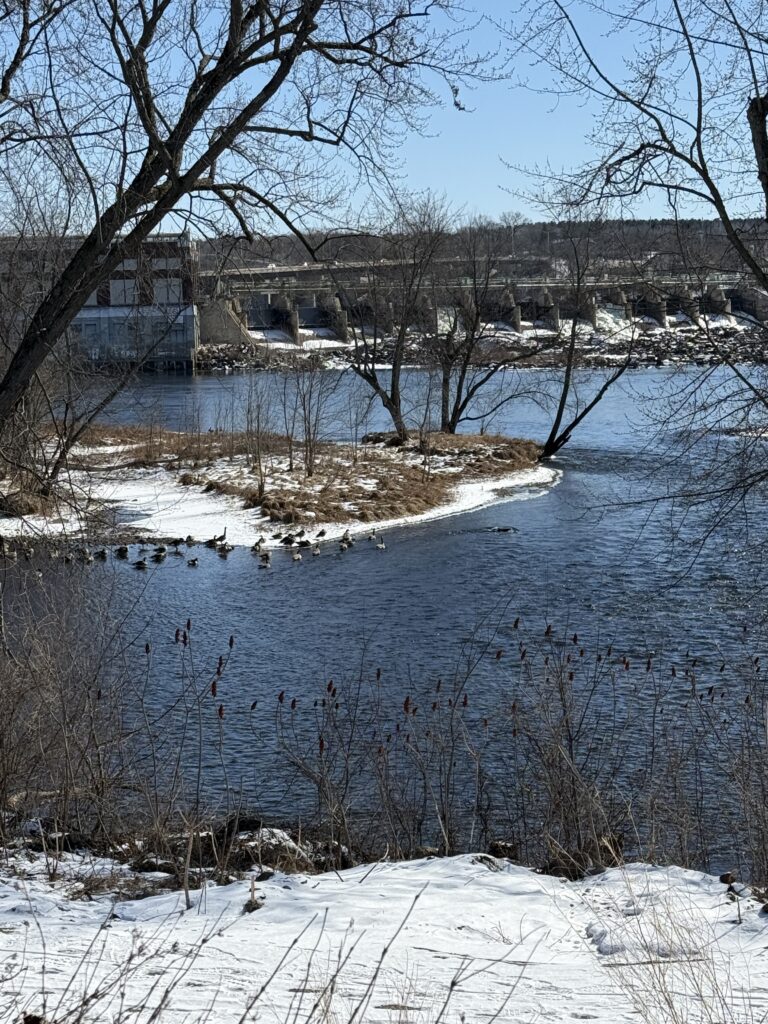
If you’re considering moving to Eau Claire, Chippewa Falls, Lake Hallie, or the surrounding Chippewa Valley, you’re not alone.
Every year, families relocate to this area for:
- Job opportunities
- A lower cost of living
- A slower pace of life
- Strong community involvement
- Access to outdoor space
But beyond the headlines, what is it actually like to live here?
Here’s what families should know before making the move.
What Is the Cost of Living in Eau Claire and Chippewa Falls?
One of the biggest reasons families relocate to the Chippewa Valley is affordability.
Compared to larger metro areas, you’ll typically find:
- Lower home prices
- Lower property taxes than many major markets
- Reasonable commuting costs
- Access to land and acreage at attainable price points
Many relocation buyers are surprised by:
- How far their budget stretches
- The size of homes available
- The availability of 1+ acre properties within a short drive of town
Affordability often allows families to upgrade lifestyle, not just change location.
What Is the Housing Market Like in the Chippewa Valley?
Inventory levels fluctuate seasonally, but in recent years we’ve consistently seen:
- Strong buyer demand
- Limited supply in key price points
- Quick movement on well-prepared homes
For relocation buyers, preparation matters.
Many out-of-state buyers:
- Begin searching online weeks (or months) before visiting
- Schedule showings during short weekend trips
- Need streamlined, organized communication
Because of this, homes that are properly priced and marketed often move quickly.
Understanding the pace of the local market before you arrive can prevent surprises.
What Are the Differences Between Eau Claire and Chippewa Falls?
Eau Claire and Chippewa Falls are located within the Chippewa Valley and are only a short drive from one another. While closely connected, they have different geographic layouts, development patterns, and housing options.
Eau Claire
- Larger population size
- Broader mix of residential and commercial development
- A range of housing styles including historic neighborhoods, newer subdivisions, and urban-style living
- Access to major employers in healthcare, education, and manufacturing
Chippewa Falls
- Smaller overall population
- Mix of established neighborhoods and rural properties
- Proximity to lakes and agricultural land
- Access to Highway 29 and Highway 53 corridors
Both communities offer a variety of housing options at different price points.
When choosing between areas, relocation buyers often evaluate:
- Commute times
- School district boundaries
- Property tax rates
- Lot size preferences
- Proximity to lakes or trails
- Access to shopping and services
The best fit depends entirely on your specific priorities and lifestyle goals.
Reviewing official school district maps, municipal websites, and crime data resources can help you determine which location aligns best with your needs.
What About Schools?
School districts are often a major factor for relocating families.
The Chippewa Valley offers:
- Public school districts with strong extracurricular involvement
- Private school options
- Access to youth sports, community leagues, and local programming
Families often note how involved and accessible community activities are compared to larger metro areas.
What Is the Community Like?
One thing that surprises many relocation buyers is how community-driven the Chippewa Valley feels.
You’ll find:
- Local festivals
- Youth sports that draw large community support
- Small businesses with loyal followings
- Neighborhood events
- Volunteer involvement
In many cases, it’s easier to get involved here than in larger cities.
That sense of accessibility is a major reason families stay long-term.
What About Weather and Lifestyle?
Yes, winters are real.
But so is:
- Fall color
- Lake life in summer
- Access to trails and outdoor recreation
- Space for gardens, chickens, workshops, and hobby farms
Many relocation families specifically search for:
- Homes with acreage
- Properties near lakes
- Space for outdoor living
The lifestyle shift is often intentional.
How Long Does It Take to Relocate?
Every situation is different, but most relocation timelines include:
- Initial online research
- Pre-approval with a lender
- A visit to tour neighborhoods and homes
- Offer submission
- Closing within 30–60 days
For families who also need to sell in their current state, coordination becomes even more important.
Planning early gives flexibility.
Should You Visit Before Buying?
Whenever possible, yes.
Many buyers visit for:
- A weekend home tour
- A community tour
- School visits
- Neighborhood scouting
However, well-organized relocation plans can accommodate tight timelines when necessary.
Clear communication and preparation make a significant difference.
Is Now a Good Time to Move to Eau Claire or Chippewa Falls?
Relocation decisions are rarely based solely on market timing.
They are based on:
- Job changes
- Family goals
- Lifestyle shifts
- Financial readiness
From a market perspective, the Chippewa Valley continues to see steady demand, especially from out-of-state buyers seeking affordability and space.
The earlier you begin planning, the smoother the transition.
Final Thoughts
Relocating to Eau Claire or Chippewa Falls isn’t just about buying a home.
It’s about choosing a lifestyle.
Understanding:
- Local pricing
- Market pace
- Community dynamics
- Neighborhood differences
Allows you to make an informed decision before committing.
Relocation is easier with preparation.
If you’re planning a move to Eau Claire, Chippewa Falls, Lake Hallie, Altoona, or anywhere in the Chippewa Valley, I’m happy to help you navigate the logistics of relocating.
I can provide:
- Current market data and pricing trends
- Neighborhood boundary maps
- School district boundary information and links to official resources
- Commute time comparisons
- Property tax information
- Zoning details for acreage properties
Every family’s priorities are different, so I always encourage buyers to explore areas, review official resources, and determine what feels like the best fit for their needs.
If you’d like help understanding the local market structure and available options, feel free to reach out.
Relocating is much smoother when you have clear information from the start.
If you’re in the early stages of exploring a move, these might be helpful next:
• A closer look at some of the neighborhoods in Eau Claire and Chippewa Falls that families are drawn to
• Tips on how to research schools before making a move
• A list of family-friendly day trips around the Chippewa Valley